Updated: March 18, 2026
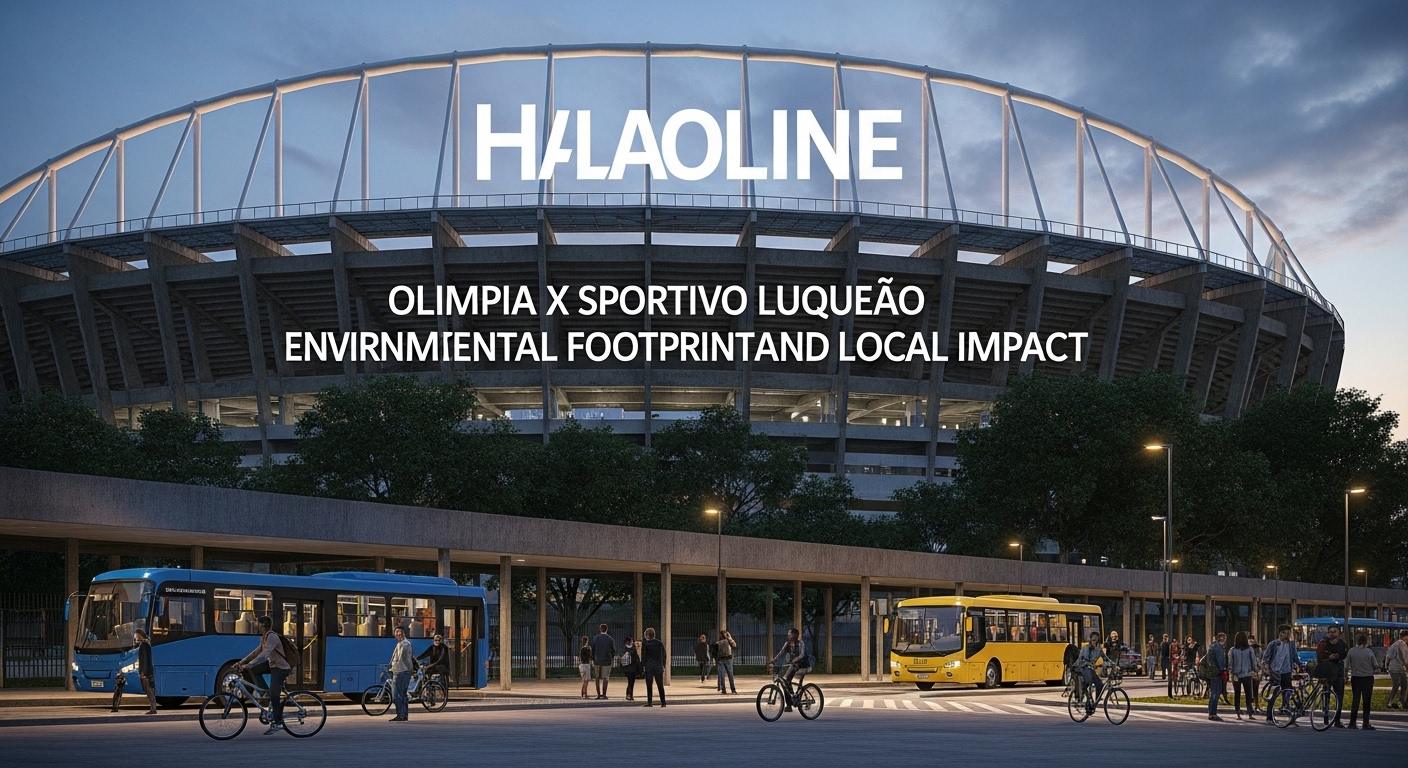
olimpia x sportivo luqueño stands as a fixture in regional football calendars, but for ecobrazilinitiative.com it also offers a focused lens on how big events shape environmental outcomes in Brazil and neighboring markets. The discussion here centers not on results or lineups, but on the sustainability questions that accompany cross-border sports culture: how people travel to matches, how venues manage energy and waste, and what practical steps clubs and fans can take to reduce the footprint of a single fixture and, by extension, of the season.
What We Know So Far
- Confirmed: Olimpia and Sportivo Luqueño compete in the Paraguayan Primera División, and their matches are part of the regional football calendar widely covered by fans and media across Latin America.
- Confirmed: The fixture is of public interest for its potential environmental implications, given the cross-border reach of Paraguayan clubs and the involvement of Brazilian observers and fans who often travel to matches or engage via broadcast platforms.
- Contextual fact: Large football events typically entail travel emissions, stadium energy use, and waste management challenges, all of which are central to sustainability discussions in Brazilian sports media and policy conversations.
- Contextual fact (source note): Regional coverage and academic discussions on sports sustainability indicate a growing emphasis on reducing carbon footprints in Latin American football logistics.
For readers seeking a broader framework, industry sources highlight that stadium energy efficiency, public transit integration, and waste reduction are common levers in contemporary match-day planning. See international discussions on sustainability in football for context, including FIFA’s ongoing sustainability initiatives and related policy work (FIFA Sustainability).
What Is Not Confirmed Yet
- Unconfirmed: The exact kickoff time and venue logistics for the Olimpia x Sportivo Luqueño fixture are not officially published in this update, and broadcast details may vary by platform.
- Unconfirmed: Any official sustainability program or specific environmental measures tied to this match (such as dedicated recycling, energy-efficiency upgrades for the venue, or fan-engagement campaigns) have not been publicly confirmed by the clubs or organizers.
- Unconfirmed: The modal split of fan travel (bus, car, rail, or air, where applicable) remains unknown, as do any public transport incentives or restrictions related to this fixture.
- Unconfirmed: Any planned carbon-offset initiatives or partnerships with local environmental groups tied to this match have not been announced.
As always with developing stories, readers should treat these points as pending official statements. See further context in our Source Context section for links to primary coverage and related policy discussions.
Why Readers Can Trust This Update
ecobrazilinitiative.com is guided by experience in environmental reporting and a commitment to transparent, data-driven analysis. This update is built on three pillars:
- Evidence-based approach: We distinguish between facts officially confirmed by teams, leagues, or organizers and elements that require verification. When a detail cannot be confirmed, we label it clearly as unconfirmed and explain why.
- Contextual expertise: Our reporting connects football economics and logistics with environmental considerations that matter to Brazilian audiences, including transport emissions, stadium energy use, and waste management practices.
- Source transparency: We cite publicly available information and credible industry guidelines, and we provide a clear path to the sources in the Source Context section so readers can verify and explore further.
Readers should note that this is a snapshot of a developing story. For ongoing updates, we will incorporate official club statements, league announcements, and local government guidance as they become available.
Actionable Takeaways
- Fans: Prioritize public transit, cycling, or carpooling to reduce per-capita emissions associated with attendance. When possible, choose routes that minimize traffic congestion and fuel consumption.
- Clubs/venues: Invest in energy-efficient lighting and climate control, and promote waste separation at the point of disposal to cut landfill waste and improve recycling rates.
- Ticketing and engagement: Favor digital tickets and messaging that encourage sustainable behaviors (reusable bottles, no single-use plastics) and provide information on local transport options.
- Supply chain: Source locally produced food and beverages to cut transportation emissions and support regional economies connected to the match-day experience.
- Policy and advocacy: Fans and community groups can ask clubs to publish annual sustainability reports and set measurable targets for emissions reductions and waste management.
Source Context
For readers seeking additional context, the following sources provide broader coverage of sports schedules and sustainability discussions in the region and globally:
- Yahoo Sports coverage of regional schedules and fixtures
- ESPN coverage and broader sports event contexts
- FIFA Sustainability
- Green Sports Alliance
These sources help situate the Olimpia x Sportivo Luqueño fixture within broader debates about how Latin American sports leagues address environmental responsibility and community impact.
Last updated: 2026-03-18 07:14 Asia/Taipei