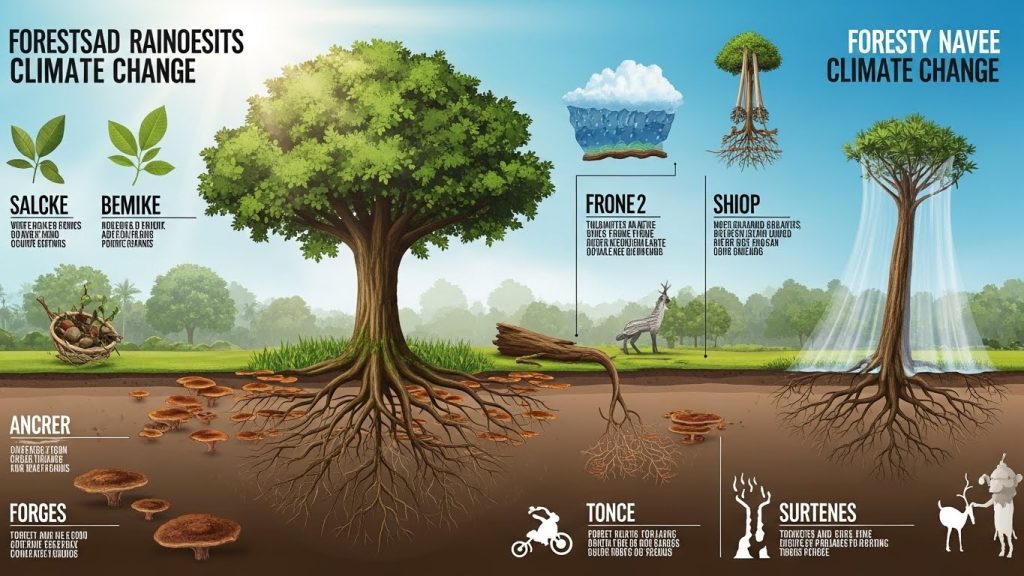
The Vital Role Forests & Rainforests Play in Combating Climate Change
Forests and rainforests are often referred to as the lungs of the Earth. These lush expanses of greenery play a critical role in maintaining the ecological balance, providing habitat for countless species, and, most importantly, combating climate change. As global temperatures rise and environmental challenges intensify, the importance of preserving and expanding forested areas has never been greater. This blog post delves deep into the intricate relationship between forests, rainforests, and climate change, highlighting why they are indispensable allies in our fight against global warming.
Understanding the Carbon Cycle
Forests and rainforests are essential components of the global carbon cycle. They act as carbon sinks, absorbing carbon dioxide (CO2) from the atmosphere through photosynthesis and storing it in biomass and soil. This process is crucial for mitigating climate change, as CO2 is the primary greenhouse gas contributing to global warming.
According to World Wildlife Fund, forests absorb approximately 2.6 billion tonnes of CO2 annually, equivalent to about one-third of the CO2 released from burning fossil fuels. This sequestration helps stabilize global temperatures, underscoring the importance of maintaining forest cover worldwide.
Biodiversity and Ecosystem Services
Forests and rainforests are biodiversity hotspots, teeming with a myriad of plant and animal species. This rich biodiversity is not only essential for ecological balance but also plays a significant role in climate regulation. Diverse ecosystems are more resilient to environmental changes and can better adapt to the impacts of climate change.
In addition to biodiversity, forests provide a wide range of ecosystem services that are vital for human survival. They regulate water cycles, prevent soil erosion, and maintain nutrient cycles. These services are crucial in mitigating the effects of climate change, such as extreme weather events and food security challenges.

The Threat of Deforestation
Despite their importance, forests and rainforests are under severe threat from deforestation. Human activities such as agriculture, logging, and urbanization are leading to unprecedented rates of forest loss. The Conservation International reports that we lose an area of forest the size of 27 soccer fields every minute.
Deforestation not only reduces the capacity of forests to absorb CO2 but also releases stored carbon back into the atmosphere, exacerbating climate change. It is estimated that deforestation accounts for about 15% of global greenhouse gas emissions. Addressing deforestation is, therefore, a crucial step in our efforts to combat climate change.
Forest Restoration and Sustainable Practices
Reversing the damage caused by deforestation requires concerted efforts in forest restoration and the implementation of sustainable forest management practices. Planting trees and restoring degraded lands can significantly enhance carbon sequestration and restore biodiversity.
Organizations like the Forest Trends are leading initiatives to promote sustainable forest management and conservation. These efforts involve engaging local communities, governments, and businesses to adopt practices that balance economic development with environmental conservation.
Innovative Solutions and Technologies
Technological advancements are playing an increasingly important role in forest conservation and climate change mitigation. Remote sensing technologies, such as satellite imagery and drones, enable better monitoring of forest cover and deforestation trends. These tools provide valuable data for policymakers and conservationists to make informed decisions.
In addition, carbon offset programs and reforestation initiatives are gaining traction. These programs incentivize businesses and individuals to invest in forest conservation efforts as a means of offsetting their carbon footprint. Such initiatives not only contribute to climate change mitigation but also support sustainable development and poverty alleviation in forest-dependent communities.
International Collaboration and Policy Frameworks
Addressing the global challenge of climate change requires international cooperation and effective policy frameworks. Initiatives like the Paris Agreement emphasize the role of forests in achieving climate goals and encourage countries to include forest conservation in their climate action plans.
The Intergovernmental Panel on Climate Change (IPCC) highlights the need for integrated approaches that combine conservation, sustainable management, and restoration of forests. By fostering international collaboration, we can enhance the effectiveness of forest-based climate solutions and ensure their long-term success.
The Importance of Public Awareness and Education
Public awareness and education are key components in the fight against climate change. By understanding the vital role forests play in climate regulation, individuals can make informed choices that support conservation efforts. Educational programs and campaigns can empower communities to participate actively in forest conservation initiatives and advocate for policies that protect these invaluable ecosystems.
Moreover, increasing awareness about the interconnectedness of forests, biodiversity, and climate change can inspire positive behavioral changes. Simple actions, such as reducing paper waste, supporting sustainable products, and participating in reforestation projects, can collectively make a significant impact.
Takeaways
Forests and rainforests are indispensable allies in the battle against climate change. Their ability to sequester carbon, support biodiversity, and provide vital ecosystem services underscores their importance in global climate strategies. As we face the escalating impacts of global warming, preserving and expanding our forested areas is not just an environmental imperative but a moral one.
By addressing deforestation, promoting sustainable practices, leveraging technology, and fostering international cooperation, we can harness the power of forests to mitigate climate change effectively. It is a collective responsibility that requires the commitment of governments, businesses, communities, and individuals worldwide. As we continue to navigate the complexities of climate change, let us remember that the preservation of our forests represents a beacon of hope for a sustainable and resilient future.
Empowering Indigenous Communities
Indigenous communities have long served as stewards of forests and rainforests, maintaining traditional practices that promote ecological balance. These communities possess invaluable knowledge about forest ecosystems and sustainable management practices. Recognizing and empowering indigenous peoples is essential for effective forest conservation and climate change mitigation.
In many regions, legal frameworks recognizing indigenous land rights are crucial. By securing land tenure, indigenous communities can better protect their forests from external threats such as illegal logging and land encroachment. Collaborative conservation initiatives that involve indigenous knowledge and participation have proven to be successful in promoting sustainable forest management.
Organizations like the United Nations Permanent Forum on Indigenous Issues work to advocate for the rights of indigenous peoples, acknowledging their pivotal role in forest conservation. Supporting these communities not only protects forests but also reinforces cultural heritage and promotes social equity.
Economic Benefits of Forest Conservation
While the environmental benefits of forests are well-documented, their economic value is often underestimated. Forests contribute significantly to local and global economies through various sectors, including timber, tourism, and non-timber forest products like fruits, nuts, and medicinal plants. Sustainable forest management can create job opportunities and support livelihoods, particularly in rural areas.
Ecotourism, for instance, is a growing industry that capitalizes on the natural beauty and biodiversity of forests. By promoting responsible tourism practices, countries can generate revenue while ensuring the conservation of their natural resources. This not only supports local economies but also raises awareness about the importance of forest conservation.
Moreover, investing in forest conservation can reduce costs associated with climate change impacts, such as natural disasters and health-related expenses. By maintaining healthy forest ecosystems, we can mitigate the severity of these impacts and safeguard economic stability.
The Role of Policy and Governance
Effective policy and governance are critical for ensuring the long-term conservation of forests and rainforests. Governments play a pivotal role in establishing legal frameworks, enforcing regulations, and allocating resources for forest management. Policies that promote reforestation, combat illegal logging, and incentivize sustainable practices are essential for preserving forest ecosystems.
International agreements and conventions, such as the United Nations Framework Convention on Climate Change (UNFCCC), provide a platform for countries to collaborate on forest conservation efforts. Nationally Determined Contributions (NDCs) under the Paris Agreement often include commitments to reduce deforestation and enhance forest carbon stocks.
Engaging stakeholders from various sectors, including private enterprises, non-governmental organizations, and local communities, is crucial for the successful implementation of forest policies. By fostering collaboration and sharing best practices, we can enhance the effectiveness of forest governance and achieve sustainable outcomes.
Future Perspectives and Challenges
Looking ahead, the role of forests and rainforests in combating climate change will continue to be a focal point of global environmental strategies. However, several challenges remain. Balancing economic development with conservation efforts, addressing land-use conflicts, and overcoming financial constraints are ongoing hurdles that require innovative solutions.
Technological advances, such as blockchain for supply chain transparency and artificial intelligence for forest monitoring, hold promise for overcoming some of these challenges. Additionally, increasing public and private investment in forest conservation can provide the necessary resources to implement large-scale initiatives.
Ultimately, the future of forests hinges on our ability to recognize their intrinsic value and integrate conservation into broader development agendas. By prioritizing forests and recognizing their multifaceted benefits, we can pave the way for a sustainable and resilient future.
Final Thoughts
Forests and rainforests are more than just natural resources; they are vital ecosystems that underpin life on Earth. As we confront the challenges of climate change, their role in carbon sequestration, biodiversity conservation, and ecosystem services cannot be overstated. Protecting and restoring these natural wonders is imperative for both environmental sustainability and human well-being.
By fostering collaboration among governments, communities, and organizations, we can implement effective conservation strategies that address the root causes of deforestation and promote sustainable development. Acknowledging the interconnectedness of forests, climate, and human societies is key to forging a path forward.
As we continue to navigate the complexities of climate change, let us commit to preserving our planet’s forests and rainforests as a legacy for future generations. Together, we can harness the power of nature to create a healthier, more sustainable world for all.
About the Author