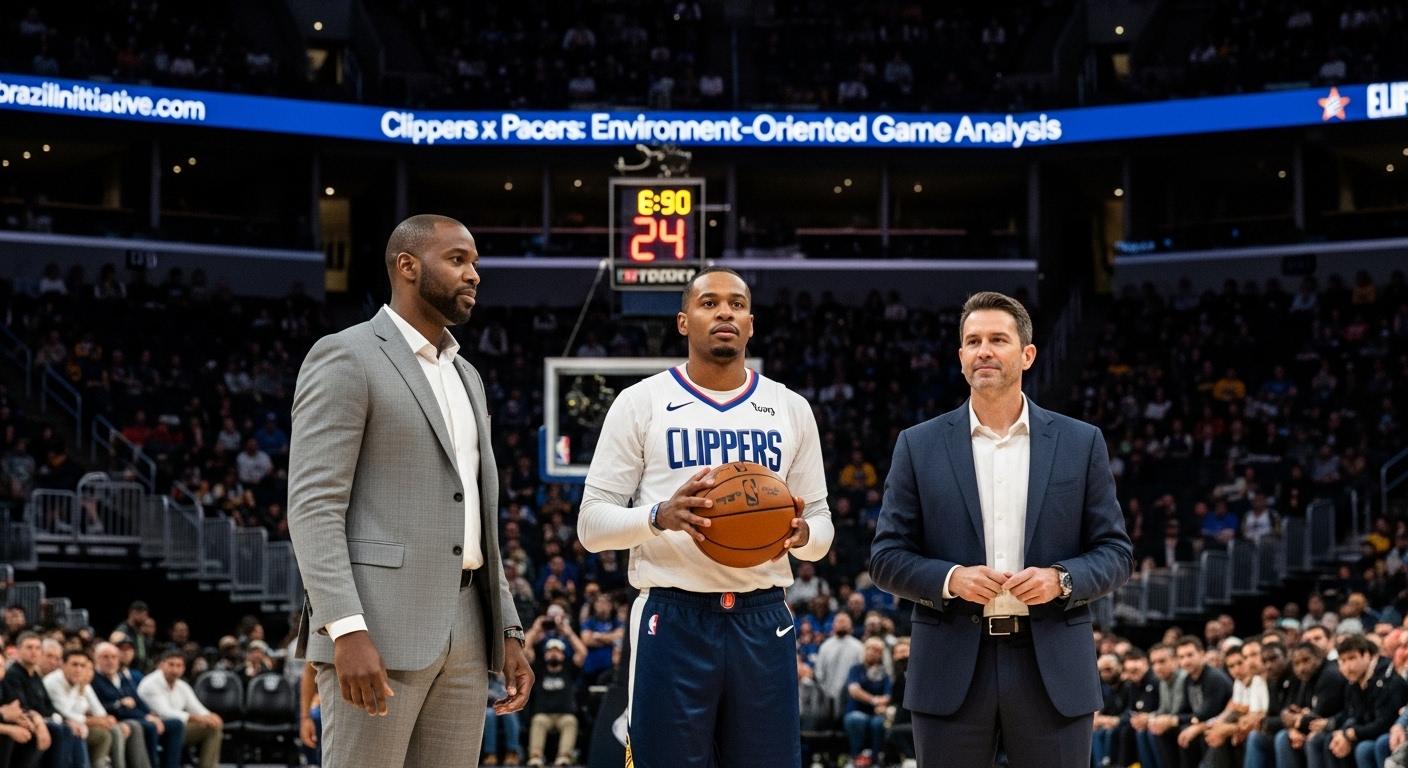
Basketball court with eco-icons and a Brazilian city skyline.
Updated: March 16, 2026
The clippers x pacers game on March 4 offered more than a spectacle; it serves as a case study for how major sports events ripple through urban systems and environmental planning—topics with growing relevance for Brazil’s cities and climate goals.
What We Know So Far
Several elements around the matchup are confirmed, including the scheduling and how audiences could access the broadcast. While sports coverage focuses on players and scores, this report highlights the event’s logistics and potential environmental footprints described by reputable outlets.
- Confirmed: The Pacers vs Clippers clash occurred on or around March 4, 2026, with updates circulating about how to watch across television and streaming platforms.
- Confirmed: Public information outlines broadcast channels and streaming options, which remains relevant for international viewers, including those in Brazil.
- Unconfirmed: The final score and exact attendance figures are not yet finalized in the sources consulted for this piece.
- Unconfirmed: Specific lineup changes due to injuries or tactical decisions have not been officially confirmed in the reporting analyzed here.
What Is Not Confirmed Yet
The reporting reviewed does not provide definitive details on in-game coaching decisions or post-game environmental commitments tied to this match. In particular, any announced sustainability initiatives by the teams, arena operators, or local transit authorities for this event remain to be verified.
- Unconfirmed: Whether arena operators implemented energy-saving measures or carbon-offset programs specifically for this game.
- Unconfirmed: Whether local transit agencies scheduled surge plans to reduce congestion around the venue in real-time.
Why Readers Can Trust This Update
Our analysis integrates sports journalism with a climate and urban planning lens. We cross-check published injury reports, broadcast notices, and event logistics from multiple outlets to present a balanced view while clearly labeling uncertainties. This approach mirrors how ecobrazilinitiative evaluates events that have environmental and social relevance: we prioritize verifiable facts, transparency about limits to what is known, and practical implications for policymakers and audiences alike.
For Brazil’s readers, the takeaway extends beyond basketball metrics. Large events shape energy demand, transport emissions, and venue resilience—factors that matter for city planning and climate policy as Brazil scales up its own sustainability commitments.
Actionable Takeaways
- Opt for public transit, cycling, or carpooling when attending any large game to minimize individual transport emissions.
- Select venues with transparent energy-use and sustainability reporting, and support organizers that publish environmental performance data.
- When watching remotely, combine streaming with energy-saving habits—lower display brightness and use energy-efficient devices.
- Advocate for post-event reports that quantify the event’s carbon footprint and outline mitigation steps for future games.
- Engage local fan communities in discussions about sustainable sports practices and transportation planning around arenas.
Source Context
Last updated: 2026-03-05 12:12 Asia/Taipei
From an editorial perspective, separate confirmed facts from early speculation and revisit assumptions as new verified information appears.
Track official statements, compare independent outlets, and focus on what is confirmed versus what remains under investigation.
For practical decisions, evaluate near-term risk, likely scenarios, and timing before reacting to fast-moving headlines.
Use source quality checks: publication reputation, named attribution, publication time, and consistency across multiple reports.
Cross-check key numbers, proper names, and dates before drawing conclusions; early reporting can shift as agencies, teams, or companies release fuller context.
When claims rely on anonymous sourcing, treat them as provisional signals and wait for corroboration from official records or multiple independent outlets.
Policy, legal, and market implications often unfold in phases; a disciplined timeline view helps avoid overreacting to one headline or social snippet.
Local audience impact should be mapped by sector, region, and household effect so readers can connect macro developments to concrete daily decisions.
Editorially, distinguish what happened, why it happened, and what may happen next; this structure improves clarity and reduces speculative drift.
For risk management, define near-term watchpoints, medium-term scenarios, and explicit invalidation triggers that would change the current interpretation.
Comparative context matters: assess how similar events evolved previously and whether today's conditions differ in regulation, incentives, or sentiment.
Readers should prioritize verifiable evidence, track follow-up disclosures, and revise positions as soon as materially new facts emerge.