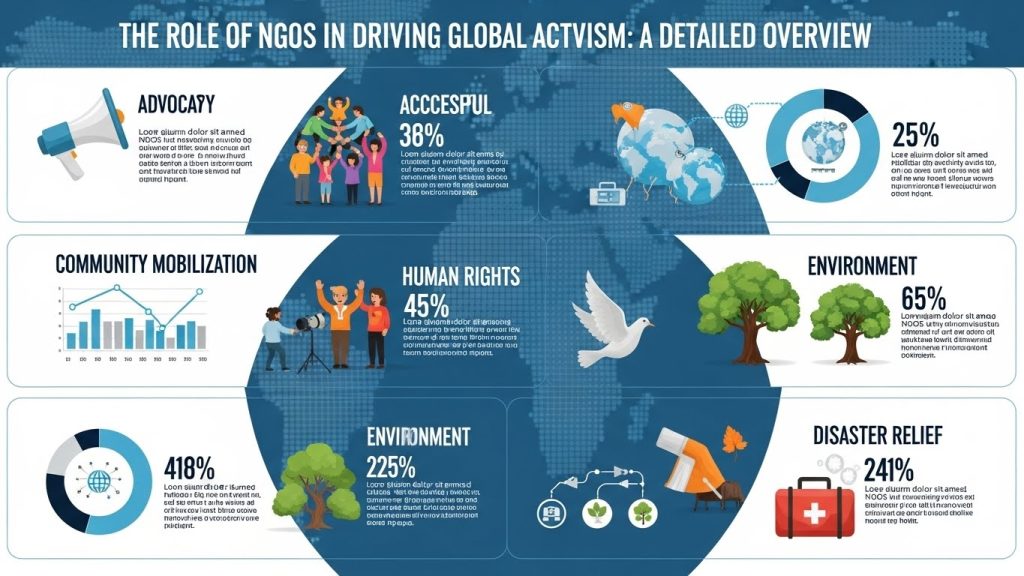
The Role of NGOs in Driving Global Activism: A Detailed Overview
In today’s interconnected world, Non-Governmental Organizations (NGOs) have become crucial players in the realm of global activism. They function as the bridge between the grassroots level and international policymakers, advocating for social change, human rights, environmental sustainability, and much more. This blog post explores the multifaceted role of NGOs in driving global activism, highlighting their strategies, successes, and the challenges they face.
Introduction to NGOs and Global Activism
NGOs have been at the forefront of activism, addressing issues that governments often overlook or are slow to tackle. These organizations are usually independent of government influence, allowing them to work freely and focus on their missions without political constraints. With the rise of globalization, NGOs have gained momentum, mobilizing resources and people across borders to address pressing global issues.
Global activism has seen a significant uptick thanks to the internet and social media, which have given NGOs powerful tools to spread their messages and garner support. But what exactly do NGOs do, and how do they contribute to global activism? Let’s delve deeper into their roles and strategies.
The Strategic Role of NGOs in Global Activism
NGOs play a strategic role in driving global activism by employing various methods and approaches to achieve their goals. Some of the most common strategies include advocacy, education, and direct action.
Advocacy
Advocacy is perhaps the most visible role of NGOs in global activism. They engage in advocacy efforts to influence public policy and decision-makers. By organizing campaigns, lobbying politicians, and working with media outlets, NGOs bring attention to critical issues and push for legislative and societal change.

Education and Awareness
NGOs also work tirelessly to educate the public and raise awareness about various global issues. They develop educational programs, workshops, and outreach initiatives to inform individuals and communities about topics such as climate change, human rights, and poverty alleviation. By educating the masses, NGOs empower them to take informed action.
Direct Action
In some cases, NGOs engage in direct action to address issues head-on. This can include providing humanitarian aid during crises, conducting environmental conservation projects, or offering legal assistance to marginalized groups. Direct action allows NGOs to make an immediate impact and support communities in need.
Case Studies: NGOs Making a Difference
To understand the impact of NGOs in global activism, it’s crucial to look at some real-world examples where these organizations have driven significant change.
Greenpeace and Environmental Activism
Greenpeace is a prime example of an NGO that has successfully driven environmental activism on a global scale. Through non-violent direct action, lobbying, and research, Greenpeace has tackled issues like deforestation, climate change, and ocean pollution. Their campaigns have led to policy changes and increased public awareness about environmental conservation.
Amnesty International and Human Rights
Another influential NGO is Amnesty International, which focuses on human rights advocacy. By documenting and reporting human rights abuses, Amnesty International has played a pivotal role in pressuring governments to uphold international human rights standards. Their efforts have led to the release of prisoners of conscience and reforms in laws that violate human rights.
Doctors Without Borders and Humanitarian Aid
In the realm of humanitarian aid, Doctors Without Borders (Médecins Sans Frontières) stands out for its dedication to providing medical assistance in conflict zones and regions affected by natural disasters. Their work ensures that vulnerable populations receive critical healthcare services, often in areas where no other medical help is available.
Challenges Faced by NGOs in Global Activism
Despite their significant contributions, NGOs face numerous challenges in their efforts to drive global activism. Understanding these challenges is crucial for developing sustainable solutions and strategies.
Funding and Resource Constraints
One of the primary challenges for NGOs is securing adequate funding and resources. Many NGOs rely on donations and grants to sustain their operations, which can fluctuate based on economic conditions and donor priorities. This financial uncertainty can hinder their ability to plan long-term projects and initiatives.
Political and Legal Barriers
NGOs often operate in politically sensitive environments, where governments may impose restrictions on their activities. These can range from bureaucratic hurdles to outright bans, limiting NGOs’ ability to operate freely and effectively. Navigating these political and legal barriers requires strategic planning and advocacy.
Ensuring Accountability and Transparency
As NGOs grow in size and influence, maintaining accountability and transparency becomes increasingly important. Donors and stakeholders demand transparency in how funds are used and the impact of initiatives. NGOs must implement robust governance structures to ensure they remain accountable and transparent to their supporters and beneficiaries.
The Future of NGOs in Global Activism
The role of NGOs in global activism is more critical than ever as the world faces complex challenges like climate change, pandemics, and social inequality. To remain effective, NGOs must adapt to changing circumstances, embrace technological advancements, and foster collaborations with other stakeholders, including governments, businesses, and civil society.
Embracing Technology
Technology offers NGOs new avenues to enhance their activism efforts. From utilizing social media to engage with a broader audience to employing data analytics to measure impact, technology can help NGOs become more efficient and effective in their missions.
Building Partnerships
Collaboration is key to addressing global challenges. By building partnerships with other NGOs, governments, and the private sector, NGOs can pool resources, share expertise, and maximize their impact. These partnerships can create a more coordinated and unified approach to tackling complex global issues.
Takeaways
NGOs play an indispensable role in driving global activism, advocating for change, and addressing some of the world’s most pressing issues. While they face challenges, their resilience and adaptability have enabled them to remain at the forefront of global activism. As the world continues to evolve, NGOs must continue to innovate and collaborate to ensure they can effectively contribute to a more just and sustainable future.
For more insights on the role of NGOs, you can explore resources from the United Nations, which frequently collaborates with NGOs to implement global initiatives.
Innovations and Emerging Trends in NGO Activism
As NGOs look towards the future, they are increasingly embracing innovative approaches and emerging trends to enhance their impact. These advancements are reshaping the landscape of global activism and empowering organizations to tackle challenges more effectively.
Harnessing the Power of Digital Activism
Digital activism has become a cornerstone of modern-day advocacy efforts. By utilizing digital platforms, NGOs can amplify their messages, reach global audiences, and mobilize support quickly and efficiently. Social media campaigns, online petitions, and virtual events are just a few examples of how digital tools are transforming activism.
For instance, the Change.org platform allows individuals and organizations to create and promote petitions on a wide array of issues, facilitating grassroots movements and enabling people to voice their concerns directly to decision-makers.
Incorporating Data-Driven Approaches
Data-driven approaches are gaining traction among NGOs as they seek to optimize their operations and measure their impact. By leveraging data analytics, NGOs can identify trends, assess the effectiveness of their programs, and make informed decisions. This data-centric approach helps organizations allocate resources efficiently and tailor their strategies to achieve better outcomes.
Adopting Agile Methodologies
The adoption of agile methodologies is another trend that is reshaping how NGOs operate. Agile practices, which emphasize flexibility, collaboration, and iterative progress, enable NGOs to respond swiftly to changing circumstances and emerging challenges. By breaking down projects into smaller, manageable tasks, NGOs can adapt to new information and continuously improve their initiatives.
The Importance of Inclusivity and Diversity in NGO Activism
Inclusivity and diversity are fundamental principles that NGOs must prioritize to ensure equitable and effective activism. Embracing diverse perspectives and engaging marginalized communities are critical for understanding the nuanced realities of global issues and crafting comprehensive solutions.
Engaging Local Communities
Engaging local communities is essential for sustainable change. NGOs must work closely with grassroots organizations and community leaders to understand local needs, culture, and context. By involving community members in decision-making processes, NGOs can design interventions that are culturally sensitive and more likely to succeed.
Promoting Gender Equality
Promoting gender equality is a key focus for many NGOs, as women and girls often face disproportionate challenges. NGOs are advocating for gender-responsive policies, supporting women’s empowerment initiatives, and ensuring that gender considerations are integrated into all aspects of their work. This approach not only addresses gender disparities but also enhances the overall impact of NGO activities.
Fostering Youth Participation
Youth participation is another vital aspect of inclusive activism. Young people bring fresh perspectives, innovative ideas, and a strong commitment to social justice. NGOs are increasingly engaging with youth as partners, leaders, and change-makers, providing them with platforms to voice their concerns and drive positive change.
Conclusion: The Continued Evolution of NGO Activism
As the world confronts an array of complex challenges, the role of NGOs in driving global activism remains crucial. These organizations are at the forefront of advocating for justice, equality, and sustainability, leveraging their unique position to effect change at local, national, and international levels.
The continued evolution of NGO activism is marked by innovation, collaboration, and a steadfast commitment to inclusivity. By embracing new technologies, fostering diverse partnerships, and empowering communities, NGOs are well-equipped to navigate the ever-changing landscape of global activism.
For those interested in supporting or learning more about the impactful work of NGOs, resources such as the CARE organization provide valuable insights and opportunities to get involved in meaningful initiatives.
About the Author