The Magic of Forests & Rainforests: Unveiling Their Untold Secrets
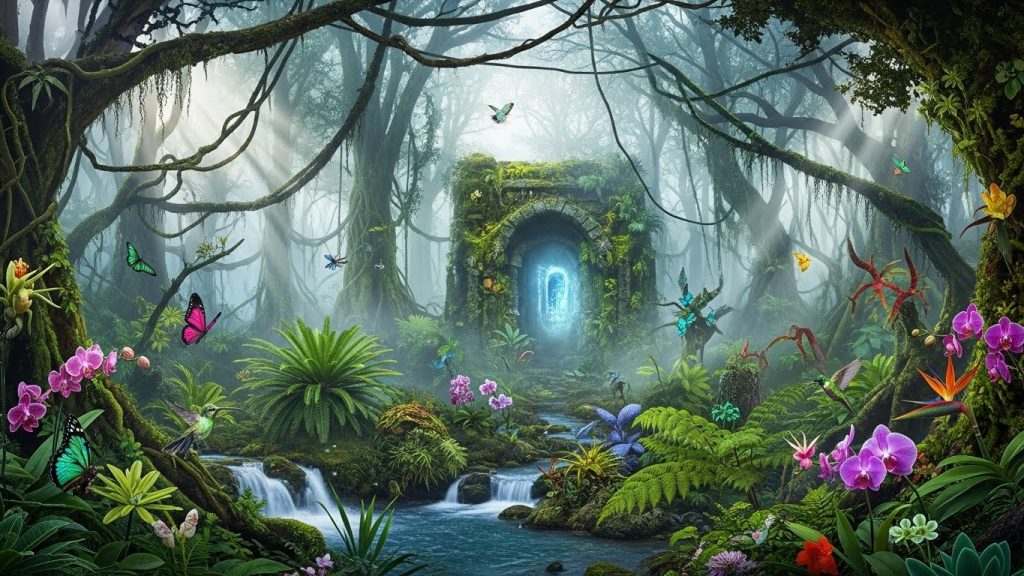
Forests and rainforests have always been shrouded in mystery and magic. Their lush canopies and diverse ecosystems serve as home to countless species, many of which remain unknown to science. These natural wonders are not only vital to our planet’s health but also hold secrets that continue to captivate scientists, environmentalists, and nature enthusiasts worldwide. In this blog post, we will delve deep into the enchanting world of forests and rainforests, exploring their untold secrets and uncovering why they are so crucial to our existence.
The Diverse Ecosystems of Forests and Rainforests
Forests and rainforests are renowned for their biodiversity. They are home to more than half of the world’s plant and animal species, despite covering only about 31% of the Earth’s land surface. Rainforests, in particular, boast the highest biodiversity of all terrestrial ecosystems. This diversity is what makes these forests magical and vital for ecological balance.
The Amazon rainforest, for example, is home to over 390 billion individual trees divided into more than 16,000 species. Similarly, the Congo Basin, the world’s second-largest rainforest, is a sanctuary for a vast array of wildlife, including gorillas, elephants, and countless bird species. These ecosystems are characterized by complex food webs and symbiotic relationships that have evolved over millennia.
The Role of Forests and Rainforests in Climate Regulation
One of the most significant roles forests and rainforests play is in climate regulation. They act as the lungs of the planet, absorbing carbon dioxide and releasing oxygen through photosynthesis. This process helps mitigate the effects of climate change by reducing the amount of greenhouse gases in the atmosphere.

Rainforests, in particular, are incredibly efficient at carbon sequestration. The Amazon rainforest alone is estimated to absorb about 2.2 billion tons of carbon dioxide annually. Without these vital ecosystems, the concentration of carbon dioxide in the atmosphere would increase significantly, exacerbating global warming and its associated impacts.
The Water Cycle and Rainforests
Rainforests play a critical role in the global water cycle. They are responsible for generating rainfall both locally and globally, through a process known as evapotranspiration. This process involves the evaporation of water from soil and plant surfaces and the transpiration of water from plant leaves.
In the Amazon rainforest, this cycle is particularly important. The moisture generated by the Amazon’s trees contributes to rainfall patterns across South America. The loss of these trees through deforestation disrupts the water cycle, leading to reduced rainfall and potentially severe droughts in the region.
Medicinal Secrets of the Rainforest
Rainforests are often referred to as nature’s pharmacy. They are a treasure trove of medicinal plants that have been used by indigenous peoples for centuries. Many modern medicines have been derived from rainforest plants, including quinine, used to treat malaria, and vincristine, a critical drug in the treatment of cancer.
Despite their importance, only a small fraction of rainforest plants have been studied for their medicinal properties. This presents a vast opportunity for scientific research and drug discovery. The preservation of these ecosystems is essential to unlocking their full potential in medicine.
Indigenous Knowledge and Cultural Significance
Forests and rainforests are not only vital ecological systems but also hold immense cultural significance. Indigenous communities have lived in harmony with these forests for generations, relying on them for food, shelter, and medicine. Their traditional knowledge and practices offer valuable insights into sustainable forest management and conservation.
For example, the Kayapo people of the Brazilian Amazon have developed intricate land management techniques that enhance biodiversity and forest health. Their knowledge is increasingly being recognized as a valuable contribution to global conservation efforts.
The Threats Facing Forests and Rainforests
Despite their importance, forests and rainforests face numerous threats. Deforestation, driven by agriculture, logging, and urbanization, is the most significant. Every year, millions of hectares of forest are lost, releasing stored carbon dioxide into the atmosphere and threatening the biodiversity they support.
Climate change also poses a significant threat. Rising temperatures and changing rainfall patterns can lead to forest dieback, further exacerbating the loss of these critical ecosystems. Additionally, illegal wildlife trade and mining add pressure to already stressed environments.
Conservation Efforts and the Future of Forests
Efforts to conserve forests and rainforests are underway worldwide. Organizations and governments are working tirelessly to protect these vital ecosystems through initiatives such as protected areas, reforestation, and sustainable land management practices.
Community-led conservation projects are also gaining traction. By involving local communities in conservation efforts, these projects aim to create sustainable livelihoods while preserving forest ecosystems. For example, initiatives in the Congo Basin are helping to protect gorillas while providing income through eco-tourism.
Technological advancements, such as satellite monitoring and drones, are playing an increasingly important role in forest conservation. They allow for better tracking of deforestation and more efficient enforcement of conservation laws.
Takeaways
The magic of forests and rainforests lies not only in their breathtaking beauty but also in their essential role in sustaining life on Earth. From regulating climate and supporting biodiversity to providing medicinal resources and cultural heritage, these ecosystems are invaluable. However, they are under threat, and it is crucial that we act now to preserve them for future generations.
By understanding the secrets they hold and the challenges they face, we can better appreciate the need for conservation and take meaningful steps to protect these vital ecosystems. Whether through supporting conservation initiatives or educating ourselves about the importance of forests, each of us has a role to play in safeguarding the magic of forests and rainforests.
Innovative Solutions and Global Policies
Addressing the threats to forests and rainforests requires innovative solutions and robust global policies. International collaborations, such as the Paris Agreement, aim to reduce deforestation and promote sustainable land use. These agreements emphasize the importance of forests in achieving climate targets and encourage countries to integrate forest conservation into their national plans.
One promising solution is the implementation of REDD+ (Reducing Emissions from Deforestation and Forest Degradation), a program that provides financial incentives to developing countries for reducing emissions from deforestation and forest degradation. By valuing the carbon storage capabilities of forests, REDD+ encourages the preservation and sustainable management of these critical ecosystems.
In addition to international policies, local governments and organizations are adopting innovative approaches to forest conservation. Payment for ecosystem services (PES) schemes, for example, offer financial compensation to landowners for maintaining forested areas. These programs recognize the ecological services provided by forests, such as water purification and biodiversity conservation, and incentivize their protection.
The Role of Education and Awareness
Education and awareness are powerful tools in the fight to protect forests and rainforests. By increasing public awareness of the importance of these ecosystems, individuals and communities can become more engaged in conservation efforts. Educational programs that highlight the ecological, cultural, and economic value of forests can inspire a new generation of environmental stewards.
Schools and universities around the world are incorporating environmental education into their curricula, teaching students about the significance of forests and the urgent need for their preservation. Additionally, global campaigns and media initiatives are bringing attention to deforestation issues, urging the public to make more sustainable choices.
Social media platforms have also become a vital channel for sharing information and mobilizing action. Conservation organizations use these platforms to reach a broad audience, spreading awareness about the threats facing forests and encouraging global participation in conservation efforts.
Sustainable Business Practices and Consumer Responsibility
Businesses play a crucial role in the conservation of forests and rainforests. By adopting sustainable practices, companies can significantly reduce their environmental impact. This includes sourcing materials responsibly, minimizing waste, and reducing carbon footprints.
For example, the timber industry can adopt sustainable forestry practices, ensuring that logging is conducted in a way that maintains the health and biodiversity of forest ecosystems. Certification programs, such as the Forest Stewardship Council (FSC), provide guidelines for sustainable forest management and help consumers identify responsibly sourced products.
Consumers, too, have the power to drive change. By choosing products that are sustainably sourced and supporting companies with strong environmental policies, consumers can influence market demand and encourage businesses to prioritize sustainable practices. Simple actions, such as reducing paper use and supporting reforestation initiatives, can collectively have a significant positive impact on forests.
Future Prospects: A Call to Action
As we look to the future, the preservation of forests and rainforests is more critical than ever. These ecosystems hold the key to a sustainable and balanced planet, offering solutions to some of the most pressing environmental challenges we face today.
It is essential for individuals, communities, governments, and organizations to unite in their efforts to protect and restore forests. By fostering a deep appreciation for the magic and importance of these ecosystems, we can inspire meaningful action and ensure that forests and rainforests continue to thrive for generations to come.
Whether it’s through supporting conservation projects, advocating for stronger environmental policies, or making conscious consumer choices, each of us has a role to play. The time to act is now, and together, we can preserve the irreplaceable magic of forests and rainforests.
About the Author