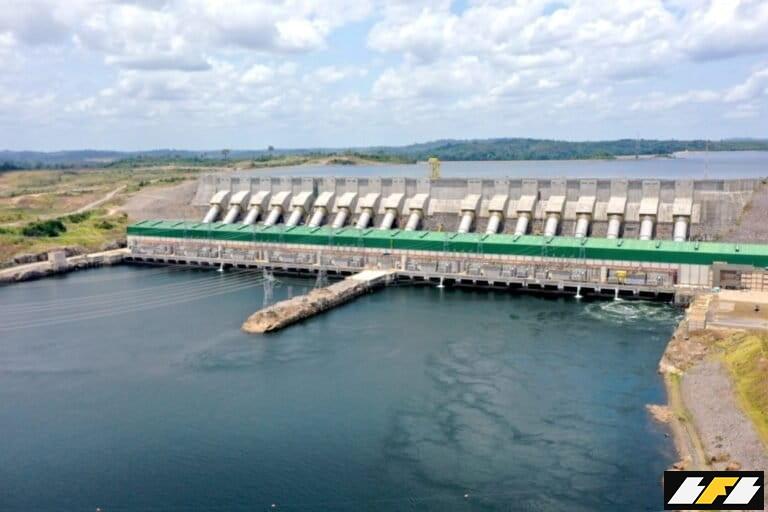
How Environmental Policy Shapes the Future: Predictions and Preparations for the Next Decade
As we advance into the next decade, the role of environmental policy becomes increasingly significant in shaping our global future. These policies are designed to manage human impact on the environment, aiming for a sustainable equilibrium between societal development and ecological conservation. The coming years will be crucial, as governments, organizations, and individuals strive to balance economic growth with environmental sustainability. This blog post delves into how these policies will influence our future, the predictions for the next decade, and the preparations needed to adapt to these changes.
The Importance of Environmental Policy
Environmental policies are imperative in guiding nations towards sustainable development. They provide a framework for conserving natural resources, mitigating climate change, and protecting ecosystems. The policy decisions made today will have profound impacts on the planet’s future. For instance, the Paris Agreement, a legally binding international treaty on climate change, represents a pivotal moment in global environmental governance. Its goal of limiting global warming to well below 2 degrees Celsius above pre-industrial levels underscores the urgency of international cooperation in environmental policymaking.
Predictions for Environmental Policy in the Next Decade
The next decade will likely see significant advancements in environmental policy, driven by a combination of technological innovation, societal shifts, and increased awareness of climate change. Here are some key predictions:
- Increased Emphasis on Renewable Energy: As the cost of renewable energy technologies continues to decrease, policies are expected to further incentivize the transition from fossil fuels to renewable sources. Governments may implement tax credits, subsidies, and regulatory support to accelerate this shift.
- Enhanced Biodiversity Protection: Recognizing the critical importance of biodiversity for ecosystem stability, future policies will likely focus on habitat conservation, species protection, and the restoration of degraded ecosystems.
- Stronger Waste Management Regulations: With the growing concern over plastic pollution and electronic waste, stricter regulations are anticipated to promote recycling, reduction, and proper waste disposal practices.
- Increased Carbon Pricing Mechanisms: Carbon pricing, through taxes or cap-and-trade systems, will become more widespread as countries aim to reduce greenhouse gas emissions and incentivize cleaner production methods.

Technological Innovations Influencing Environmental Policy
Technological advancements will play a crucial role in shaping future environmental policies. Innovations such as artificial intelligence, blockchain, and data analytics will enhance environmental monitoring, compliance, and enforcement. For example, precision agriculture technologies can optimize resource use in farming, reducing water and chemical inputs and minimizing environmental impact. Additionally, advancements in battery storage and grid technologies will support the integration of renewable energy, making it more reliable and accessible.
Global Cooperation and Environmental Policy
Environmental issues transcend national borders, necessitating global cooperation. The next decade will see increased collaboration through international treaties and agreements, such as the Convention on Biological Diversity and the United Nations Framework Convention on Climate Change. These agreements provide a platform for countries to share knowledge, resources, and strategies to tackle environmental challenges collectively.
Challenges Facing Future Environmental Policy
While the outlook for environmental policy is promising, several challenges must be addressed to achieve desired outcomes:
- Economic Pressures: Balancing economic growth with environmental protection remains a challenge. Policymakers must design strategies that align economic incentives with ecological goals.
- Political Will and Public Support: Effective policy implementation requires political commitment and public backing. Building awareness and fostering a culture of sustainability are essential for garnering support.
- Technological Barriers: Despite advancements, some technologies may face barriers to widespread adoption due to high costs or technical limitations.
- Equity and Justice: Policies must ensure a fair transition, addressing the needs of vulnerable populations and preventing disproportionate impacts.

Preparations for the Next Decade
To prepare for the environmental policies of the future, governments, businesses, and individuals must take proactive steps:
- Invest in Education and Research: Enhancing education and research efforts will provide the knowledge and innovation needed to develop effective solutions.
- Adopt Sustainable Practices: Businesses and individuals should adopt sustainable practices, such as reducing energy consumption, minimizing waste, and supporting eco-friendly products.
- Engage in Policy Advocacy: Active participation in policy discussions and advocacy can influence decision-making and promote the adoption of progressive policies.
- Strengthen Community Resilience: Building resilient communities involves developing infrastructure and systems capable of withstanding environmental shocks and stresses.
Conclusion: The Path Forward
The next decade presents both challenges and opportunities for shaping environmental policy. As we strive to create a sustainable future, it is essential to leverage technological innovations, foster global cooperation, and address the social and economic dimensions of policymaking. By doing so, we can ensure that environmental policies not only protect the planet but also support the well-being and prosperity of future generations. For more information on sustainable practices, explore resources like the World Wildlife Fund’s climate initiatives and the National Geographic environment articles.
Engaging the Public in Environmental Policy
One of the critical aspects of successful environmental policy is public engagement. In the next decade, it is expected that initiatives to increase public awareness and participation in environmental issues will become more prevalent. Governments and organizations will need to employ a variety of strategies to engage citizens effectively:
- Educational Campaigns: Educating the public about the importance of environmental protection and sustainable living can drive collective action. These campaigns can utilize various media, including social networks, to reach a broader audience.
- Community-Based Projects: Encouraging community involvement in local environmental projects, such as tree planting, clean-ups, and conservation efforts, can foster a sense of ownership and responsibility towards the environment.
- Incentives for Sustainable Behavior: Providing incentives for individuals and businesses to engage in sustainable practices, such as rebates for energy-efficient appliances or tax breaks for companies reducing their carbon footprint, can motivate positive change.
The Role of Corporations in Shaping Environmental Policy
Corporations hold significant influence in shaping environmental policies due to their economic power and impact on ecosystems. In the next decade, it is anticipated that businesses will play a more active role in supporting and developing policies that promote environmental sustainability. This can be achieved through:
- Corporate Social Responsibility (CSR): Companies are increasingly adopting CSR initiatives that focus on sustainability. By aligning business strategies with environmental goals, corporations can contribute to positive policy outcomes.
- Innovative Business Models: The development of new business models that prioritize sustainability, such as circular economy practices, can reduce waste and resource consumption.
- Collaboration with Governments and NGOs: By partnering with public and non-governmental organizations, corporations can help to develop and implement policies that meet both economic and environmental objectives.
Monitoring and Evaluating Environmental Policy Impact
To ensure that environmental policies are effective, it is crucial to monitor and evaluate their impact regularly. This involves collecting data, assessing progress, and making necessary adjustments. The following approaches are expected to be integral in the next decade:
- Data-Driven Decision Making: Leveraging big data and analytics can provide insights into the effectiveness of policies and identify areas for improvement.
- Transparency and Accountability: Ensuring that policy processes and outcomes are transparent and accountable can build public trust and support.
- Adaptive Management: Adopting a flexible approach to policy implementation allows for adjustments based on empirical evidence and changing conditions.
Conclusion: Building a Sustainable Future

Environmental policy will play a pivotal role in shaping the future of our planet over the next decade. By prioritizing sustainability, fostering innovation, and engaging diverse stakeholders, we can address the pressing environmental challenges of our time. As we look forward, it is crucial that individuals, organizations, and governments commit to proactive measures that safeguard our natural resources and promote a healthier, more resilient world. Continued collaboration and commitment to sustainable practices will be essential in building a future that is both prosperous and environmentally sound.
The Influence of Youth Activism on Environmental Policy
Youth activism has emerged as a powerful force in shaping environmental policy. Young people around the world are increasingly vocal about their concerns regarding climate change and ecological degradation. This demographic is not only demanding action but actively participating in the policymaking process. As we move into the next decade, the influence of youth activism is expected to grow even stronger. Notable movements such as Fridays for Future and the Youth Climate Strike have already made significant impacts by raising awareness and pushing for legislative changes.
Through organized protests, social media campaigns, and lobbying efforts, young activists are holding leaders accountable and advocating for more ambitious environmental policies. Their efforts have led to increased media attention and public discourse on climate issues, prompting policymakers to prioritize sustainability in their agendas. This surge in youth-led initiatives highlights the importance of including diverse voices in the decision-making process to create more inclusive and effective environmental policies.
Environmental Policy and Economic Transformation

The transition to a sustainable economy is one of the most significant challenges and opportunities for environmental policy in the coming decade. As industries adapt to new regulations and consumer demands for sustainability, economic transformation is inevitable. This transformation is expected to be driven by several key factors:
- Green Jobs and Workforce Development: The shift towards sustainable industries will create opportunities for green jobs, necessitating workforce development programs that equip workers with the skills needed for emerging sectors.
- Investment in Sustainable Infrastructure: Governments and private sectors will need to invest in sustainable infrastructure projects, such as renewable energy systems and efficient public transportation, to support economic growth while reducing environmental impact.
- Financial Incentives for Sustainability: Financial markets will increasingly integrate environmental risk assessments and sustainable investment criteria, encouraging businesses to adopt eco-friendly practices.
The Role of Technology in Enforcing Environmental Policies
Technological advancements continue to revolutionize how environmental policies are enforced and monitored. In the coming decade, technology will play an even more integral role in ensuring compliance and assessing policy effectiveness:
- Remote Sensing and Satellite Monitoring: These technologies enable real-time monitoring of environmental changes, such as deforestation and pollution levels, providing data that can inform policy decisions and enforcement actions.
- Internet of Things (IoT): IoT devices can track resource usage and emissions, helping industries and governments monitor environmental performance and identify areas for improvement.
- Blockchain for Transparency: Blockchain technology can enhance transparency and traceability in supply chains, ensuring that environmental claims and certifications are verified and credible.
Looking Ahead: The Future of Environmental Policy
As we look towards the future, it is clear that environmental policy will continue to evolve in response to emerging challenges and opportunities. The integration of diverse perspectives, technological advancements, and innovative solutions will be crucial in shaping a sustainable future. For policymakers, the challenge will be to create adaptive frameworks that can respond to dynamic environmental conditions and societal needs.
The next decade will be a defining period for environmental policy, one that requires commitment and collaboration across all sectors of society. By embracing a holistic approach that considers economic, social, and environmental dimensions, we can pave the way for a more sustainable and equitable world. For more insights on future trends and strategies, explore resources such as the International Energy Agency’s environmental topics and the World Resources Institute’s work on environmental governance.
About the Author