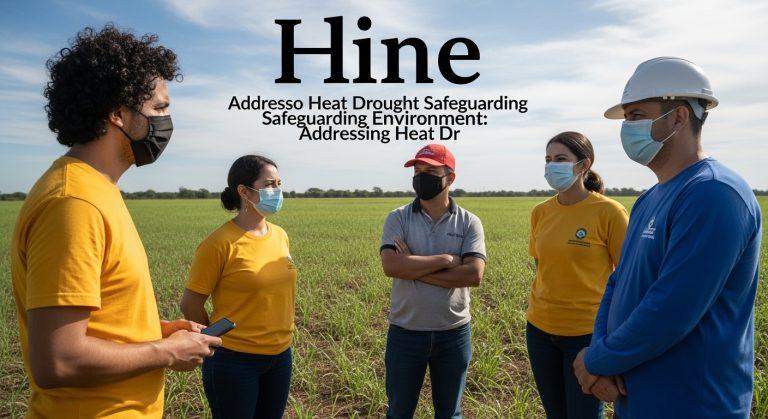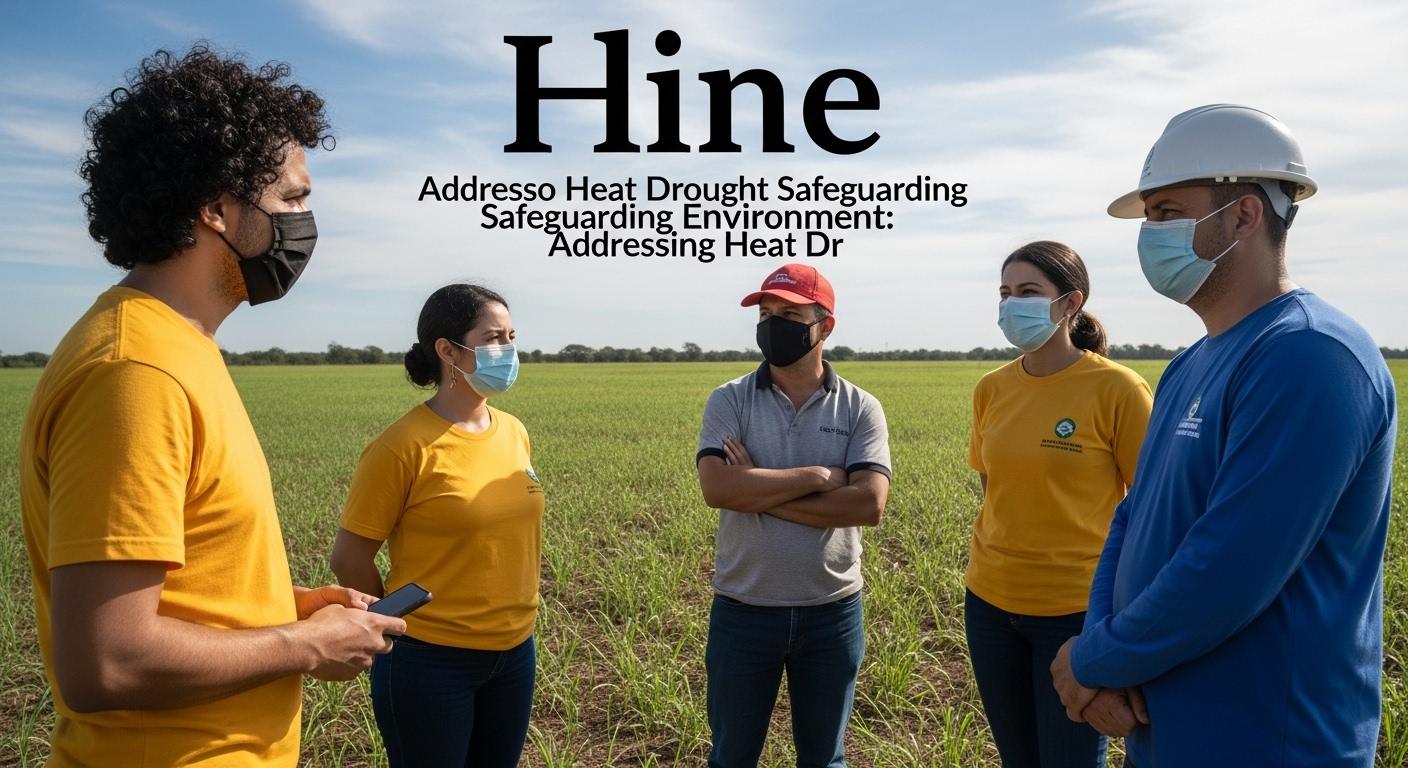
Drought-affected Brazilian landscape with urban and rural resilience measures
Updated: March 20, 2026
Addressing Heat Drought Safeguarding Environment is not a distant planning exercise for Brazil; it is an immediate, evolving priority as heat waves lengthen and droughts intensify across regions from the Northeast to the Amazon perimeter. This analysis presents a grounded, data-informed view on what is known, what remains uncertain, and how readers can participate in resilience efforts.
What We Know So Far
Confirmed facts
- Meteorological analyses indicate a rising trend in heatwaves across large portions of Brazil, with higher nighttime temperatures and longer intensity spikes in several regions.
- Drought has persisted in historically vulnerable areas, particularly in the Northeast and parts of the Central-West, affecting water availability, agriculture, and rural livelihoods.
- Urban centers exhibit pronounced heat island effects, increasing energy demand for cooling and stressing urban water and health systems.
- Public and private sectors are expanding heat-drought adaptation efforts, including enhanced drought monitoring, water-use efficiency programs, and agroforestry initiatives designed to restore watershed resilience.
- Hydrological and ecological systems are showing stress signals from altered rainfall patterns and higher evaporation rates, with potential implications for biodiversity and ecosystem services.
Unconfirmed details
- Exact cost projections and funding timelines for national adaptation programs by 2030 remain under negotiation and are not yet finalized for all states.
- Specific outcomes of proposed municipal climate-resilience packages—such as speed of implementation and local economic impacts—are not uniformly verified across regions.
- Precise shifts in regional rainfall returns, particularly within parts of the Amazon and Cerrado, are subject to model ensembles and short-term anomalies that complicate definitive forecasts.
What Is Not Confirmed Yet
Beyond the clearly established trends, several critical questions lack final confirmation. These include the exact pace at which rainfall may rebound in certain basins over the next two to three years, and the degree to which newly proposed adaptation policies will translate into measurable reductions in risk for rural populations and indigenous communities. While the trajectory of heat extremes is broadly supported by multiple climate models, the precise regional rainfall responses remain a topic of active research and ongoing data collection.
Why Readers Can Trust This Update
This analysis anchors its conclusions in contemporary data from Brazilian meteorological and climate-disaster monitoring bodies, cross-checked with international climate science. We distinguish clearly between established facts and hypotheses, and we openly label uncertainties to prevent overinterpretation. Our sourcing includes official data releases, peer-reviewed studies, and statements from credible institutions. We also explain our editorial process and invite readers to examine cited sources and ongoing research as the situation evolves.
Actionable Takeaways
- Individuals: conserve water, reduce heat exposure by using shading and reflective materials, and adopt cooling practices that minimize health risks during heat events.
- Communities and municipalities: advance heat action planning, expand green infrastructure (trees, parks, permeable surfaces), and invest in water-use efficiency in public facilities and schools.
- Agriculture and rural economies: promote drought-tolerant crops, implement efficient irrigation technologies, and protect watershed recharge areas to sustain productivity during dry spells.
- Policy and governance: align climate adaptation investments with transparent budgeting, set measurable resilience targets, and strengthen data-sharing between municipalities, states, and federal agencies.
- Researchers and journalists: continue integrating local case studies with national-scale models to improve forecast relevance for Brazil’s diverse biomes.
Source Context
Key sources informing this update include official climate data and internationally recognized assessments. Readers are encouraged to consult the links for direct access to primary materials and contextual analyses.
- INPE — National Institute for Space Research (drought monitoring and climate data)
- IPCC AR6 — Climate change impacts, heatwaves, and droughts (global context with regional relevance)
Last updated: 2026-03-20 13:18 Asia/Taipei
From an editorial perspective, separate confirmed facts from early speculation and revisit assumptions as new verified information appears.
Track official statements, compare independent outlets, and focus on what is confirmed versus what remains under investigation.
For practical decisions, evaluate near-term risk, likely scenarios, and timing before reacting to fast-moving headlines.
Use source quality checks: publication reputation, named attribution, publication time, and consistency across multiple reports.
Cross-check key numbers, proper names, and dates before drawing conclusions; early reporting can shift as agencies, teams, or companies release fuller context.
When claims rely on anonymous sourcing, treat them as provisional signals and wait for corroboration from official records or multiple independent outlets.