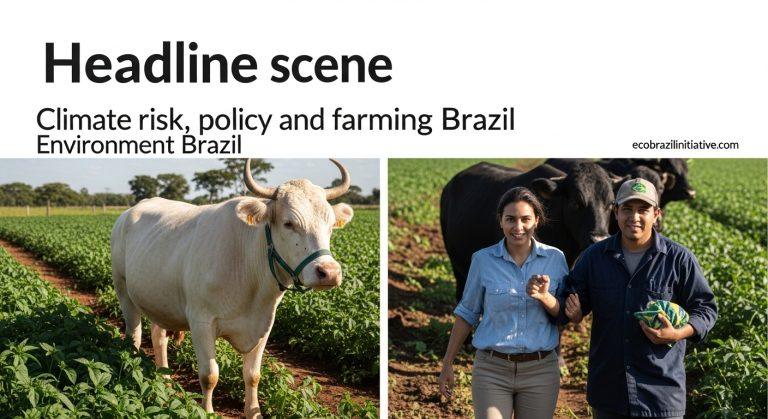
How Environmental Policy Shapes The Future Predictions And Preparations For The Next Decade
Updated: March 16, 2026
Brazil’s Struggles with Natural Disasters
Brazil has recently faced a series of devastating natural disasters, with the most poignant being the recent deluge that claimed the lives of at least 30 individuals. Such calamities are not merely tragic events; they are stark reminders of the profound impacts of climate change and unsustainable development practices. The frequency and severity of these events signal a pressing need for Brazil to reassess its environmental policies and disaster preparedness strategies.
The Role of Sustainable Practices
As Brazil is a significant player in global agricultural markets, the current environmental crisis highlights the importance of integrating sustainable practices into its agricultural sector. Recent initiatives, such as tracking coffee production to comply with European Union environmental standards, represent a step in the right direction. The National Supply Company (CONAB) is taking measures to ensure that Brazilian coffee meets these rigorous criteria, which could not only help protect the environment but also enhance the marketability of Brazilian products abroad.
International Partnerships for Climate Action
The need for collaborative efforts has never been clearer. Recent agreements forged between Brazil and India concerning climate resources demonstrate the potential benefits of international cooperation. These partnerships can enable Brazil to share knowledge, resources, and technology that are crucial for advancing its climate agenda while also contributing to global efforts to combat climate change.
Challenges Ahead: Policy and Action
Despite these promising developments, Brazil faces significant challenges moving forward. A consistent and robust environmental policy framework is essential to mitigate the impacts of climate change and natural disasters. The recent lawsuit against the Environmental Protection Agency (EPA) in the United States over its rollback of environmental protections serves as a cautionary tale for Brazil. It underlines the importance of maintaining strong regulatory measures that prioritize the environment over short-term economic gains.
Community Engagement: A Crucial Component
Implementing effective environmental policies requires active engagement at all levels of society. Community involvement is vital, particularly in vulnerable regions most affected by climate change. Education and awareness campaigns can empower local populations to adopt sustainable practices and prepare for potential disasters, reducing their overall vulnerability.
Actionable Takeaway
For individuals and communities in Brazil, it is crucial to stay informed about local environmental issues and participate in sustainability initiatives. Whether it’s supporting local farmers who practice sustainable agriculture or advocating for stronger environmental regulations, every action can contribute to a more resilient and sustainable future.